
 By Malik Rehan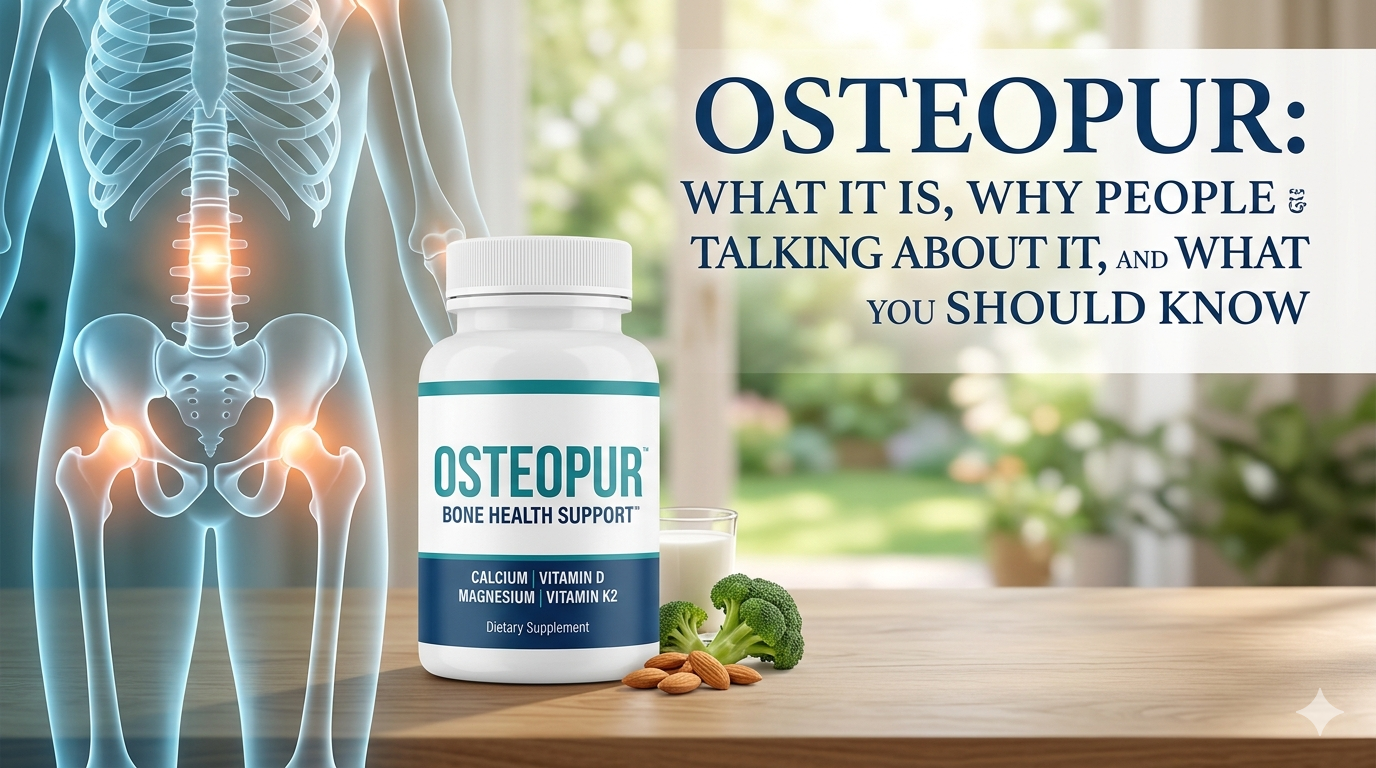
There’s a certain kind of curiosity that builds around health supplements… you hear a name once, maybe twice, and suddenly it’s everywhere. Osteopur feels like that right now. People mention it in forums, in quiet conversations, even in late-night searches when something just doesn’t feel right with their bones or joints.
So—what exactly is it?
Let’s take a slower, more human look at it. No hype. No complicated science overload. Just real, useful understanding.
What Is Osteopur?
At its core, Osteopur is often talked about as a supplement designed to support bone health. That’s the simple version. But if you look a bit closer… it’s usually positioned as something that helps maintain bone density, especially as people age.
And aging, well—it sneaks up on you.
Bones don’t stay the same forever. They lose strength gradually, sometimes quietly. That’s where products like this come into the conversation.
If you’ve come across it online, you might’ve even seen it mentioned here:
👉 <osteopur>
Why Bone Health Matters (More Than We Think)
Here’s the thing—most of us don’t think about bones until there’s a problem. A crack, a fall, a strange ache that doesn’t go away.
But bone health is kind of like a savings account. You build it early… and hope it lasts.
Some common issues linked to weaker bones include:
- Reduced bone density (especially after 30)
- Higher risk of fractures
- Joint discomfort or stiffness
- Posture changes over time
And yeah, it’s not just about elderly people. That’s a myth. Even younger adults can start seeing early signs if nutrition or lifestyle isn’t great.
What’s Typically Inside Osteopur?
Now, formulas can vary. Not every product labeled “Osteopur” is identical. But generally, supplements in this category include a mix of vitamins and minerals known for bone support.
Here’s a simple breakdown:
| Ingredient | Role in the Body |
|---|---|
| Calcium | Builds and maintains bone structure |
| Vitamin D | Helps calcium absorption |
| Magnesium | Supports bone density and strength |
| Vitamin K | Helps regulate calcium in bones |
| Zinc | Aids in tissue growth and repair |
Not groundbreaking individually… but together? They form a support system.
Who Might Consider Using It?
This is where things get a bit personal. Not everyone needs a supplement like Osteopur. But some people might find it useful.
For example:
- Adults over 40 noticing joint stiffness
- People with low calcium intake
- Those who avoid dairy or certain foods
- Individuals recovering from bone-related injuries
- Women post-menopause (bone loss can accelerate here)
And honestly… sometimes people just want that extra reassurance. That “I’m doing something good for my body” feeling.
Pros and Cons (Because Nothing Is Perfect)
Let’s not pretend it’s magic. It’s not.
👍 Potential Benefits:
- Supports overall bone strength
- May reduce risk of deficiencies
- Easy to incorporate into daily routine
- Often combines multiple nutrients in one place
👎 Possible Downsides:
- Results aren’t instant (takes time… patience)
- Not a replacement for a healthy diet
- Some people may experience mild digestive discomfort
- Quality varies between brands
And yeah, that last point matters more than people realize.
Real Talk — Does It Actually Work?
Short answer? It can help… but it depends.
Supplements like Osteopur aren’t cures. They’re support tools. Think of them as part of a bigger picture:
- Balanced diet
- Regular movement (even walking counts)
- Sunlight exposure (for natural Vitamin D)
- Consistency over time
Without those things… even the best supplement won’t do much.
But with them? It might make a noticeable difference.
A Few Tips Before You Try It
If you’re thinking about giving Osteopur a shot, keep it simple:
- Check the ingredient list carefully
- Don’t exceed recommended dosage
- Stay consistent—random use won’t help
- And maybe… talk to a healthcare professional if you’re unsure
Not to overcomplicate things, just to stay safe.
Final Thoughts
Osteopur sits in that interesting space between prevention and support. It’s not flashy. It’s not dramatic. But it’s part of a quiet effort to take care of something we often ignore—our bones.
And honestly… that matters more than we give it credit for.
Because strength isn’t just about muscles or energy. Sometimes, it’s deeper than that. Structural. Foundational.
And maybe that’s why people keep coming back to it.