
 By Malik Rehan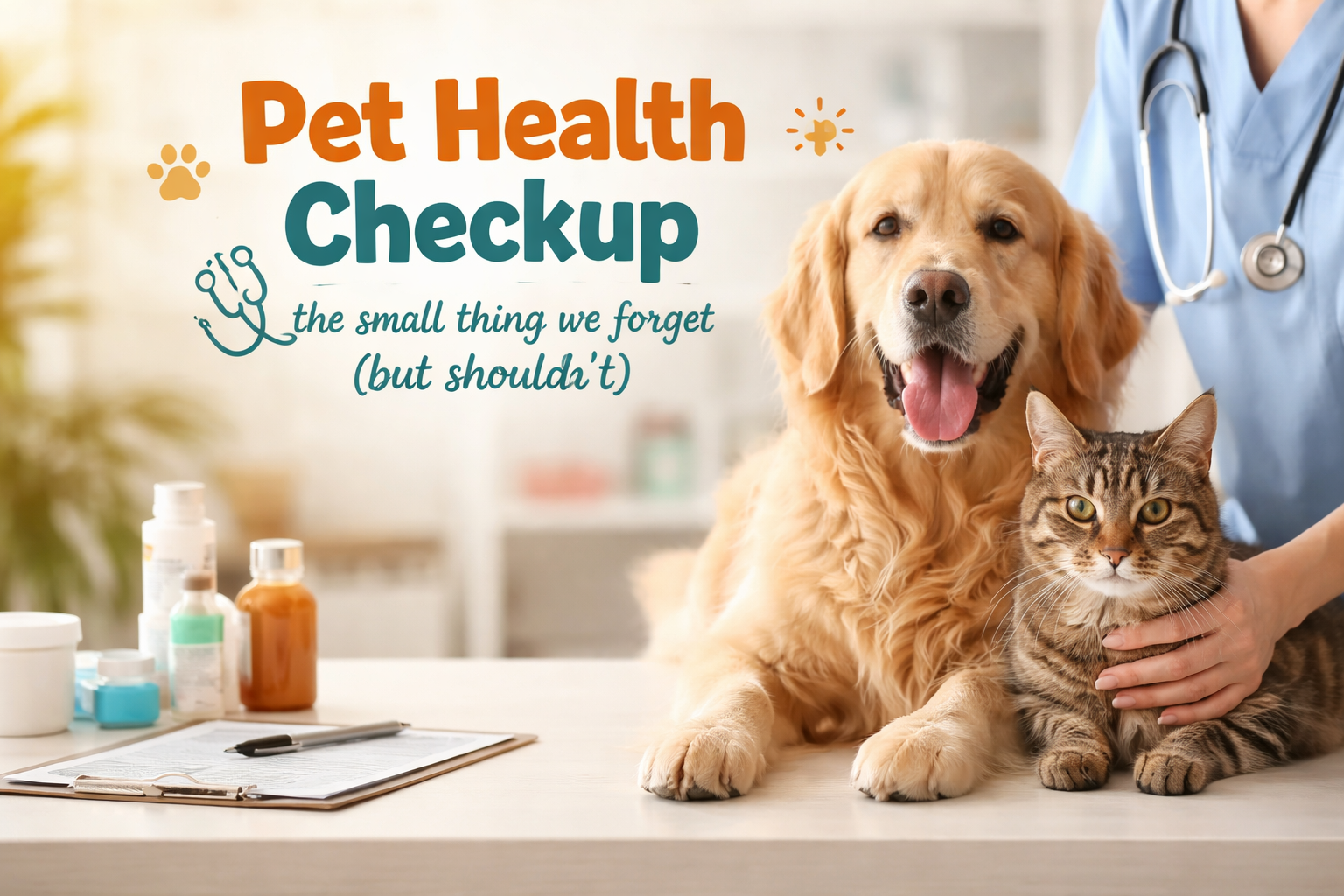
I’ll be honest… most people don’t think about a pet health checkup until something goes wrong. Your cat stops eating. Your dog looks a bit tired. Then suddenly it’s urgent.
But here’s the thing—by the time we notice something, it’s often been there for a while.
That’s why a simple “pet health checkup” matters more than it seems. It’s not dramatic. No emergencies. Just… quiet prevention. And yeah, it works.
So why bother when your pet looks totally fine?
Because pets are sneaky. Not in a bad way—just… they hide pain. It’s instinct.
A dog can still wag its tail while feeling unwell. A cat can act normal and still have something going on internally. Weird, but true.
Regular checkups help catch stuff early. Before it becomes messy.
Some real-life benefits:
- Catching diseases early (like kidney problems or infections)
- Keeping vaccines up to date
- Checking weight (pets gain weight fast, honestly)
- Spotting dental issues before they get painful
- And yeah… peace of mind for you
Sometimes the vet just says, “Everything’s good.” And that alone feels worth the visit.
What actually happens during a checkup?
It might look quick, but vets check a lot in those few minutes. You just don’t always notice every step.
Here’s a simple breakdown:
| What They Check | What They Look For | Why It Matters |
|---|---|---|
| Weight | Gain or loss | Early health warning |
| Eyes & ears | Redness, infection | Prevents bigger problems |
| Teeth & gums | Plaque, bad breath | Dental health = overall health |
| Heart & breathing | Strange sounds | Can signal deeper issues |
| Skin & fur | Allergies, ticks, dryness | Shows internal health |
| Behavior | Mood or energy changes | Hidden signs |
And sometimes they’ll suggest tests. Blood work, maybe. Not always necessary—but helpful, especially for older pets.
How often is “enough”?
This part confuses people a lot.
Here’s the simple version:
- Young pets (puppies/kittens): quite often… every few weeks at first
- Adult pets: once a year is usually okay
- Older pets: every 6 months is better
And yeah, that sounds like a lot. But pets age faster than we do. One year for them isn’t really “just a year.”
When you shouldn’t wait
Sometimes you just know something isn’t right.
Don’t wait for the next checkup if you see:
- Eating less… or not at all
- Sudden weight change
- Vomiting or stomach issues
- Low energy (like really low)
- Limping or stiffness
- Acting differently—hiding, aggression, etc.
Even if it turns out to be nothing… it’s okay. Better than ignoring it.
Making vet visits less stressful (because yeah, they hate it)
Not every pet enjoys going to the vet. Actually… most don’t.
But you can make it easier:
- Bring something familiar (a toy, blanket… smells like home)
- Stay calm yourself—they pick up on your mood
- Give treats after (or during, if allowed)
- Use a comfy carrier, not a cramped one
- Take short car rides sometimes so it’s not always “vet = stress”
It won’t fix everything overnight. But it helps. Slowly.
The money part… let’s not ignore it
Vet visits cost money. No way around that.
And yeah, sometimes people delay checkups because of it. Totally understandable.
But here’s the flip side—early checkups are usually cheaper than emergency treatments later.
A small visit now can prevent a big bill later. Not always, but often.
Some clinics even offer packages or discounts if you go regularly. Worth asking. Seriously.
Final thoughts… just real talk
Pet health checkups aren’t exciting. You won’t post about them. They don’t feel urgent.
So we delay. We forget. It happens.
But they matter. A lot more than they seem.
Because your pet can’t explain what’s wrong. They can’t say, “Hey, something feels off.”
So we have to notice. Or better—stay ahead of it.
And sometimes, a simple visit… a quick check… a vet saying “everything looks fine”—that’s all you need.
Not dramatic. But important.
And yeah… kind of comforting too.