
 By Malik Rehan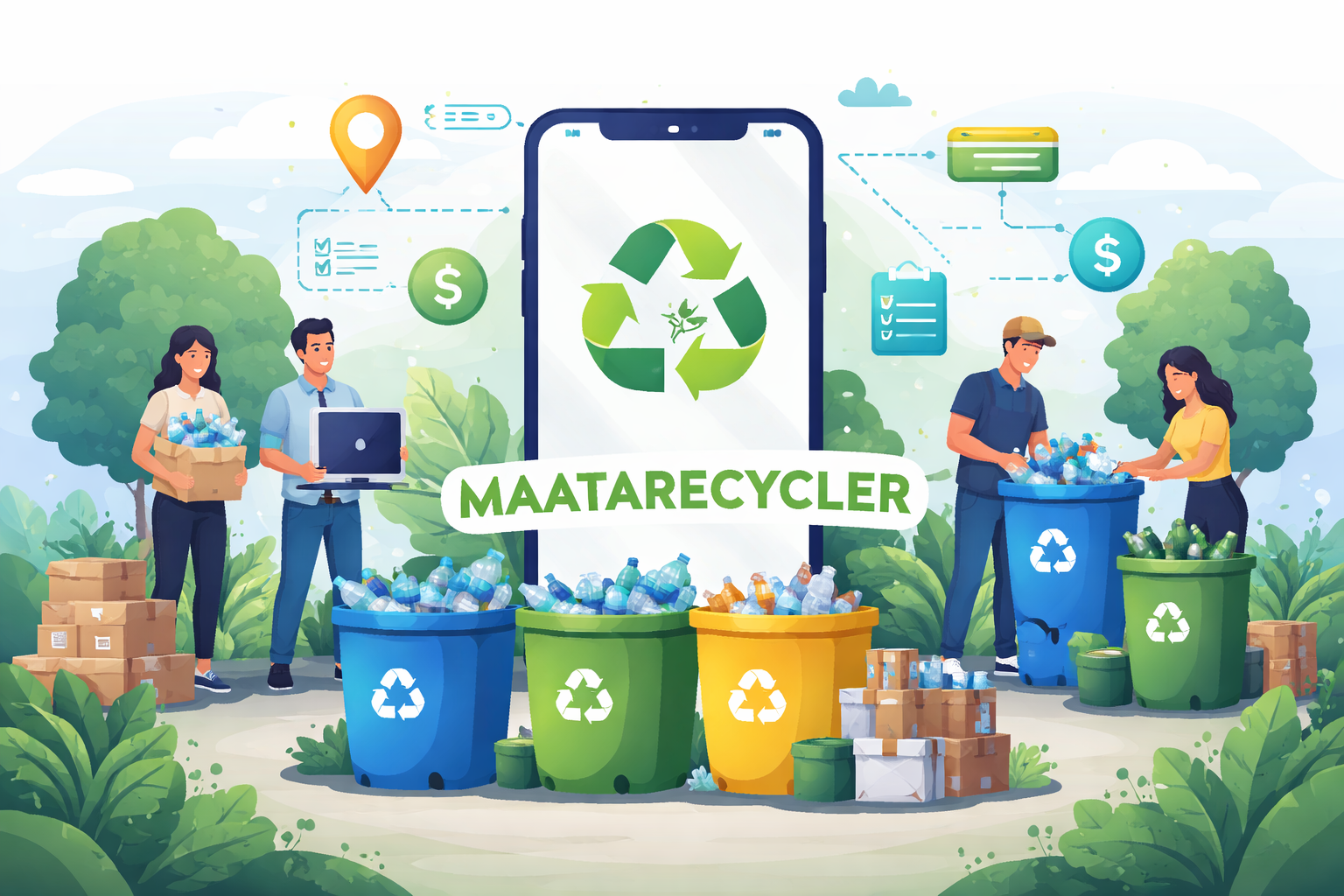
Alright—let’s talk about matarecycler. Not in a stiff, textbook way… but like a real conversation. Because honestly, recycling tech and platforms? They can feel a bit dry. But this one—there’s something interesting going on here.
What is Matarecycler… really?
At its core, matarecycler sounds like a concept built around smarter recycling. Maybe a platform, maybe a system—something that connects waste, people, and reuse in a more intentional way.
And if you think about it… that’s exactly what we need right now.
We produce so much waste. Plastic, e-waste, metal scraps—you name it. And most of it? It doesn’t get recycled properly. That’s where something like matarecycler fits in. Not as a miracle solution, but as a smarter step forward.
Why systems like Matarecycler matter
Here’s the thing—recycling isn’t broken because people don’t care. It’s broken because the system is messy.
Confusing rules. Lack of access. No incentives.
And platforms like matarecycler try to fix that gap.
A few reasons why it stands out:
- It simplifies the recycling process
- Encourages participation through ease (and maybe rewards)
- Connects users with recyclers directly
- Reduces landfill pressure—slowly, but meaningfully
And yeah… it might not fix everything overnight. But small shifts matter.
How Matarecycler might work (in simple terms)
Let’s break it down casually. Imagine this flow:
- You have recyclable waste (plastic bottles, old electronics… stuff lying around)
- Instead of throwing it away—you log it into a system
- The platform connects you with a recycler or pickup service
- Waste gets processed properly
- You might earn something—points, money, or just… peace of mind
Simple, right? That’s the beauty of it.
Types of materials typically handled
Not all waste is equal. Some things are easy to recycle, others… not so much.
Here’s a quick overview:
| Material Type | Recyclability Level | Common Use After Recycling |
|---|---|---|
| Plastic | Medium | Packaging, fibers |
| Paper | High | Recycled paper products |
| Glass | High | Bottles, construction use |
| Electronics | Complex | Metal extraction, parts reuse |
| Metals | Very High | Construction, manufacturing |
And platforms like matarecycler often focus on making even the complex stuff easier to handle.
The human side of recycling
Let’s be honest for a second…
Most of us want to recycle. But life gets busy. You forget. Or it feels like too much effort for too little impact.
That’s where better systems matter.
Because when recycling becomes:
- Easy
- Accessible
- Maybe even rewarding
People actually do it.
And yeah… that’s kind of the whole point.
Small actions, bigger ripple
Using something like matarecycler isn’t just about waste—it’s about habits.
And habits spread.
You recycle one thing today…
Tomorrow your family does it too…
Then your neighborhood starts thinking differently…
It sounds idealistic, sure. But that’s how real change usually begins—quietly.
Benefits you might not expect
Beyond the obvious environmental impact, there are a few underrated perks:
- Less clutter at home (seriously, old junk piles up fast)
- Awareness about what you consume
- Potential side income (depending on the system)
- Feeling… just a bit more responsible
And that last one? It counts more than we admit.
Challenges—because nothing is perfect
Now, let’s not pretend everything is smooth.
Some real-world issues could include:
- Limited availability in certain areas
- Lack of awareness
- Trust issues with new platforms
- Inconsistent pickup or logistics
But again… every system starts somewhere.
And improvement comes with use, feedback, and time.
So… is Matarecycler the future?
Maybe. Or maybe it’s just one piece of a bigger puzzle.
But it represents something important—a shift in thinking.
From:
“Throw it away”
To:
“Wait… can this be reused?”
And that shift? It’s powerful.
Final thoughts (not too formal, don’t worry)
Recycling doesn’t need to be complicated. It just needs to be… doable.
That’s what systems like matarecycler aim for.
Not perfection. Not some big dramatic revolution. Just a better way to handle what we already have.
And honestly—that’s enough to start.