 By Malik Rehan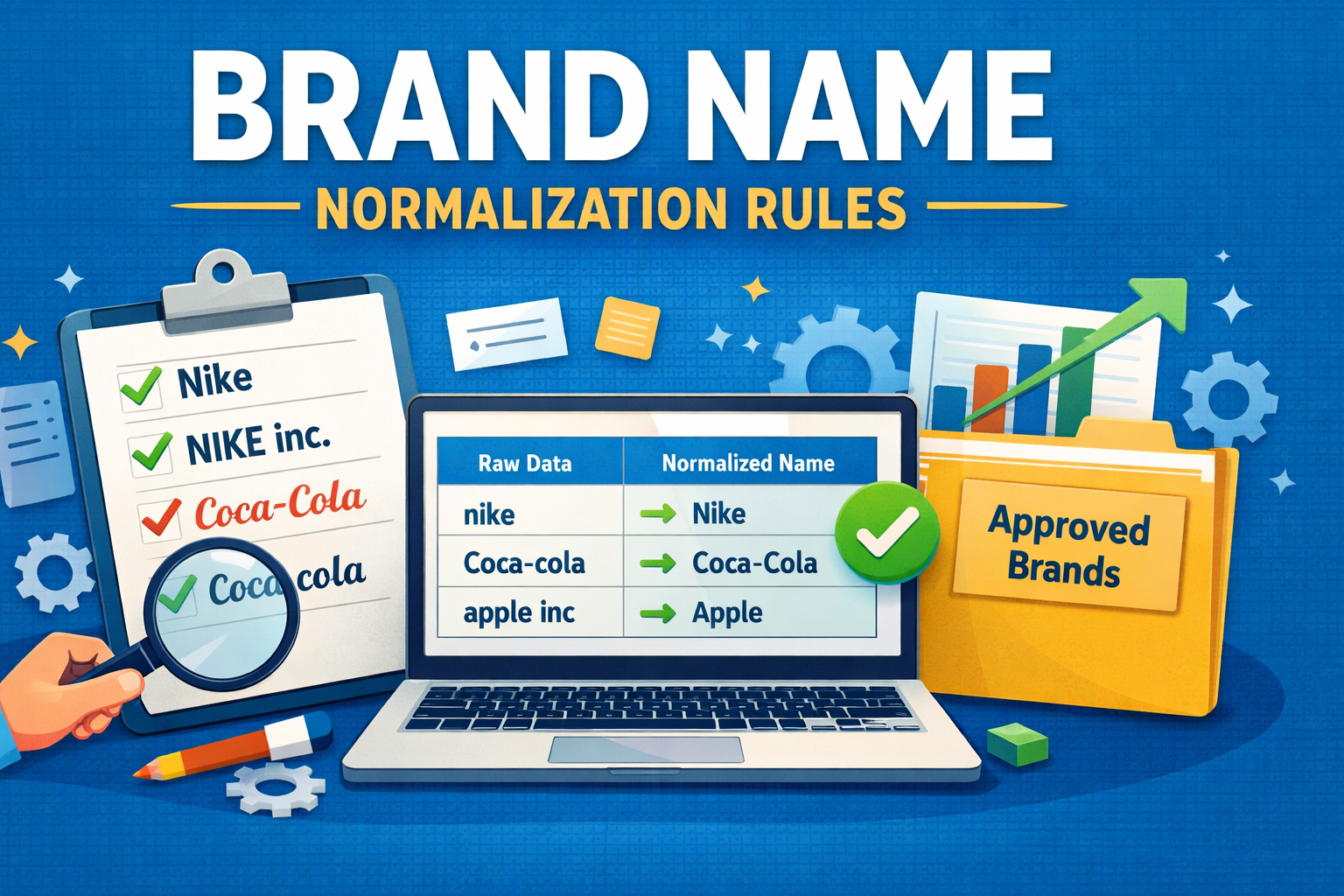
There’s something oddly frustrating about messy brand names. You know what I mean—one place says “iPhone,” another says “iphone,” and somewhere else it’s “I PHONE”… and suddenly your data feels… unreliable. A bit chaotic.
That’s where brand name normalization rules come in. Not flashy. Not exciting. But honestly? Super important.
Let’s walk through it in a way that feels human, not robotic.
What Are Brand Name Normalization Rules?
At its core, brand name normalization just means making brand names consistent across systems. Same spelling, same format, same structure—every time.
If you’re dealing with marketing data, eCommerce listings, analytics dashboards… yeah, you need this.
And if you want a deeper dive, here’s a helpful resource on
👉 [brand name normalization rules](brand name normalization rules)
Why It Even Matters (More Than You Think)
You might be thinking—“Okay, but is this really a big deal?”
Short answer: yes.
Longer answer… well:
- It improves data accuracy
- Makes reporting less of a headache
- Helps avoid duplicate entries (which are annoying… and costly)
- Keeps branding consistent across platforms
- And honestly, it just makes everything look more professional
But there’s also a hidden benefit—trust. Clean data builds confidence.
Common Problems Without Normalization
Let’s look at the kind of mess you might run into:
- “Nike”, “NIKE”, “nike inc.”
- “Coca Cola”, “Coca-Cola”, “cocacola”
- “Apple”, “Apple Inc”, “apple”
See the issue? Same brand… different identities. It breaks things.
And sometimes, it breaks them quietly.
Core Brand Name Normalization Rules
Alright, here’s where things get practical. These are the rules most teams follow (or at least try to):
- Standardize casing
Decide on one format—Title Case is common (e.g., “Nike” not “NIKE”) - Remove unnecessary suffixes
Like “Inc.”, “Ltd.”, unless legally required - Fix spacing and punctuation
“Coca-Cola” vs “Coca Cola”—pick one and stick to it - Handle abbreviations carefully
“P&G” vs “Procter & Gamble”… choose based on context - Avoid duplicates
Map all variations to one clean version - Create a reference list
A master list of approved brand names—this is gold
And yeah… it sounds simple. But implementing it across messy datasets? That’s the real challenge.
A Quick Example Table
Here’s a small before-and-after snapshot:
| Raw Data Input | Normalized Brand Name |
|---|---|
| nike | Nike |
| NIKE Inc. | Nike |
| coca cola | Coca-Cola |
| CocaCola | Coca-Cola |
| apple inc | Apple |
| APPLE | Apple |
See the pattern? Clean, consistent, readable.
Some Real-World Tips (From Experience)
This part doesn’t always get talked about… but it should.
- Start small. Don’t try to fix everything at once
- Use automation tools where possible (but review manually too)
- Keep updating your rules—it’s not a one-time thing
- And communicate with your team… otherwise people will keep adding messy data again (it happens 😅)
Also—don’t aim for perfection right away. Aim for better.
Tools That Can Help
You don’t have to do everything manually (thankfully). Some tools make life easier:
- Excel / Google Sheets (with formulas and cleanup functions)
- Data cleaning tools like OpenRefine
- Python scripts (if you’re a bit technical)
- CRM or CMS systems with validation rules
But even with tools… rules still matter. Tools just follow what you define.
Final Thoughts (Kind Of…)
Brand name normalization rules aren’t glamorous. They won’t get you likes on social media or anything like that.
But they quietly fix a lot of problems.
And once you implement them properly… you’ll notice the difference almost immediately. Cleaner reports. Better insights. Less confusion.
And yeah… fewer headaches.
It’s one of those things you don’t think about—until you really need it.