
 By Malik Rehan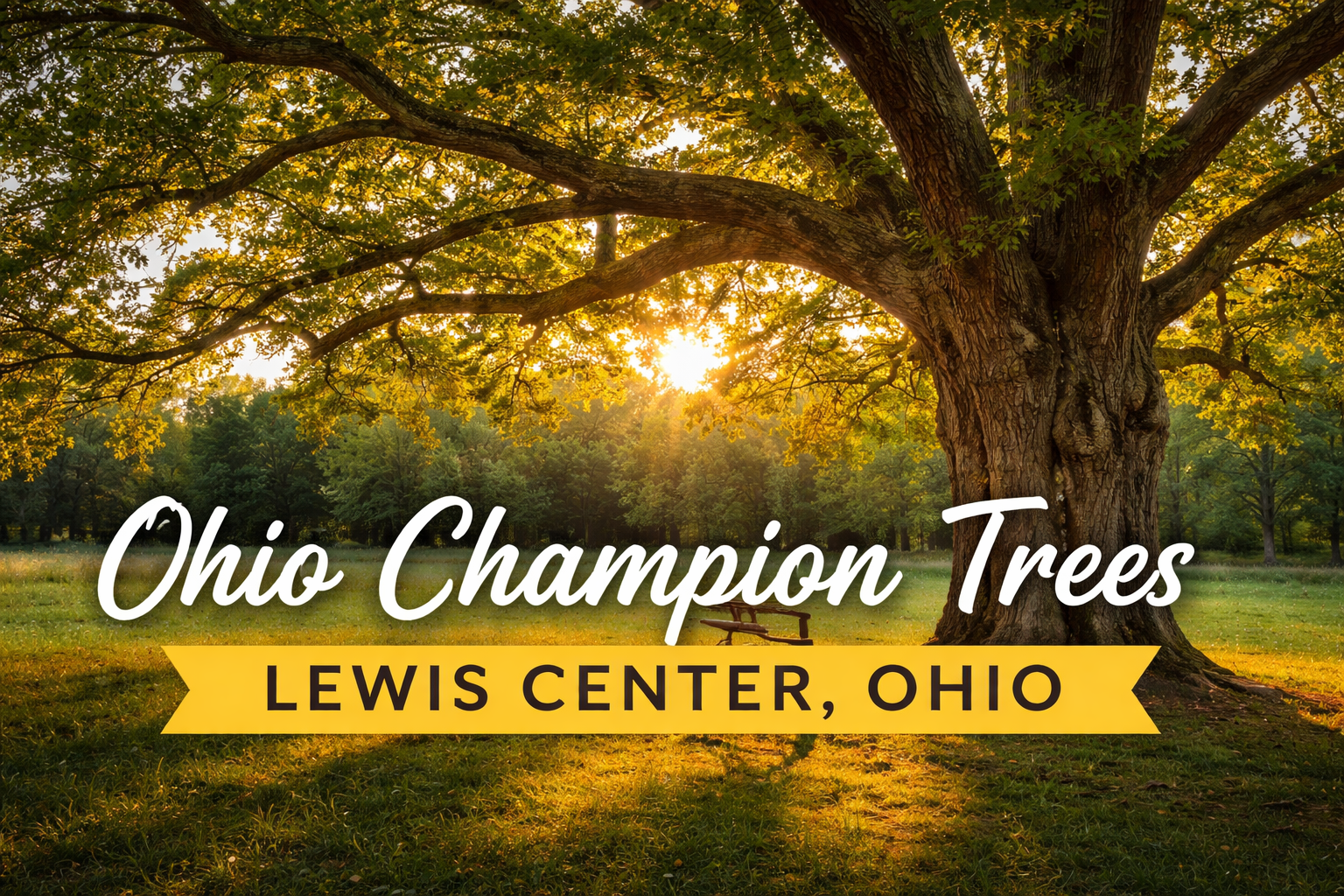
There’s something oddly comforting about big trees. Not just tall ones, but old ones—the kind that feel like they’ve been standing there forever, watching everything change around them.
If you’ve ever wandered through parts of Lewis Center, Ohio, you might’ve noticed a few that stand out… thicker trunks, wider canopies, a presence that’s hard to ignore.
That’s where the idea of champion trees comes in.
And yeah, if you’re curious about tracking them down or learning more, this guide on [ohio champion trees lewis center ohio](ohio champion trees lewis center ohio) is a good place to start. It’s not just a list—it’s kind of a doorway into a slower, greener world.
So, What Is a Champion Tree?
A champion tree isn’t just “big.” It’s officially recognized as the largest of its species in a specific region—sometimes the entire state.
That means:
- Height
- Trunk circumference
- Crown spread
All of it gets measured and compared.
Sounds technical. But when you actually stand in front of one… it’s not about numbers anymore.
It’s about scale. Perspective. And maybe a little bit of awe.
Why Lewis Center?
You wouldn’t immediately think of Lewis Center as a hotspot for natural giants. It’s growing fast—new neighborhoods, busy roads, the usual suburban expansion.
But tucked between all that… there are pockets of preserved land, older properties, and quiet green spaces.
And in those places, the trees have had time to grow. Really grow.
Some of the champion—or near-champion—trees you might find around here include:
- Massive oak trees with sprawling limbs
- Towering sycamores near waterways
- Elegant maples that explode with color in fall
- Occasional tulip poplars, straight and striking
Not all are officially crowned champions—but honestly, that almost doesn’t matter.
A Few Notable Traits of Champion Trees
Here’s the thing… these trees don’t just look big. They feel different.
- Their bark tends to be deeper, more textured
- Branches stretch wider, almost like they’re reaching
- The base… sometimes you can’t even wrap your arms around it
- And the shade? Cooler. Denser. Quiet in a way
And yeah, maybe that sounds a bit romantic. But spend five minutes under one—you’ll get it.
Quick Comparison Table
| Feature | Regular Tree | Champion Tree |
|---|---|---|
| Height | Moderate | Exceptionally tall |
| Trunk Circumference | Slim to moderate | Very thick |
| Age | Young to middle-aged | Often decades or centuries |
| Canopy Spread | Limited | Wide, expansive |
| Recognition | None | Official/state-level |
Not every big tree is a champion—but every champion tree is something special.
Finding Them (Without a Treasure Map)
You don’t need to go full explorer mode. Honestly, part of the fun is stumbling onto one unexpectedly.
Still, a few good spots to check:
- Local parks and nature preserves
- Older residential areas (some trees pre-date the homes)
- Near rivers or creeks
- Golf courses… surprisingly
And sometimes, they’re just… there. At the edge of a field. Behind a fence. Quietly existing.
Why People Care (More Than You’d Think)
At first glance, it might seem like a niche hobby—tracking big trees. But there’s something deeper going on.
Champion trees are:
- Living history — some were around before modern roads
- Environmental anchors — supporting birds, insects, entire ecosystems
- Community landmarks — “turn left at the big oak” kind of directions
- And honestly… a reminder to slow down
In a place that’s growing and changing as fast as Lewis Center, that matters.
A Slightly Personal Note
I remember the first time I noticed one. Not even officially labeled. Just this huge tree off a walking trail—way bigger than the rest.
I stopped without really thinking about it.
And stood there longer than I expected.
It’s strange. Trees don’t move. They don’t speak. But somehow… they still say something.
Tips If You Go Looking
Before you head out, just keep a few things in mind:
- Don’t climb or damage the tree (obvious, but still…)
- Respect private property—some are on residential land
- Take photos, sure—but also just stand there for a bit
- And maybe bring someone along. It’s better shared
Final Thoughts (But Not Really a Conclusion)
Champion trees in Lewis Center aren’t flashy tourist attractions. There’s no ticket booth. No big signs pointing them out.
And that’s kind of the point.
They’re just there. Quietly massive. Patient.
You find them when you’re not rushing. When you look up instead of down at your phone. When you take a different path—or slow your pace just a little…
And then suddenly—
There it is.
A giant.