 By Malik Rehan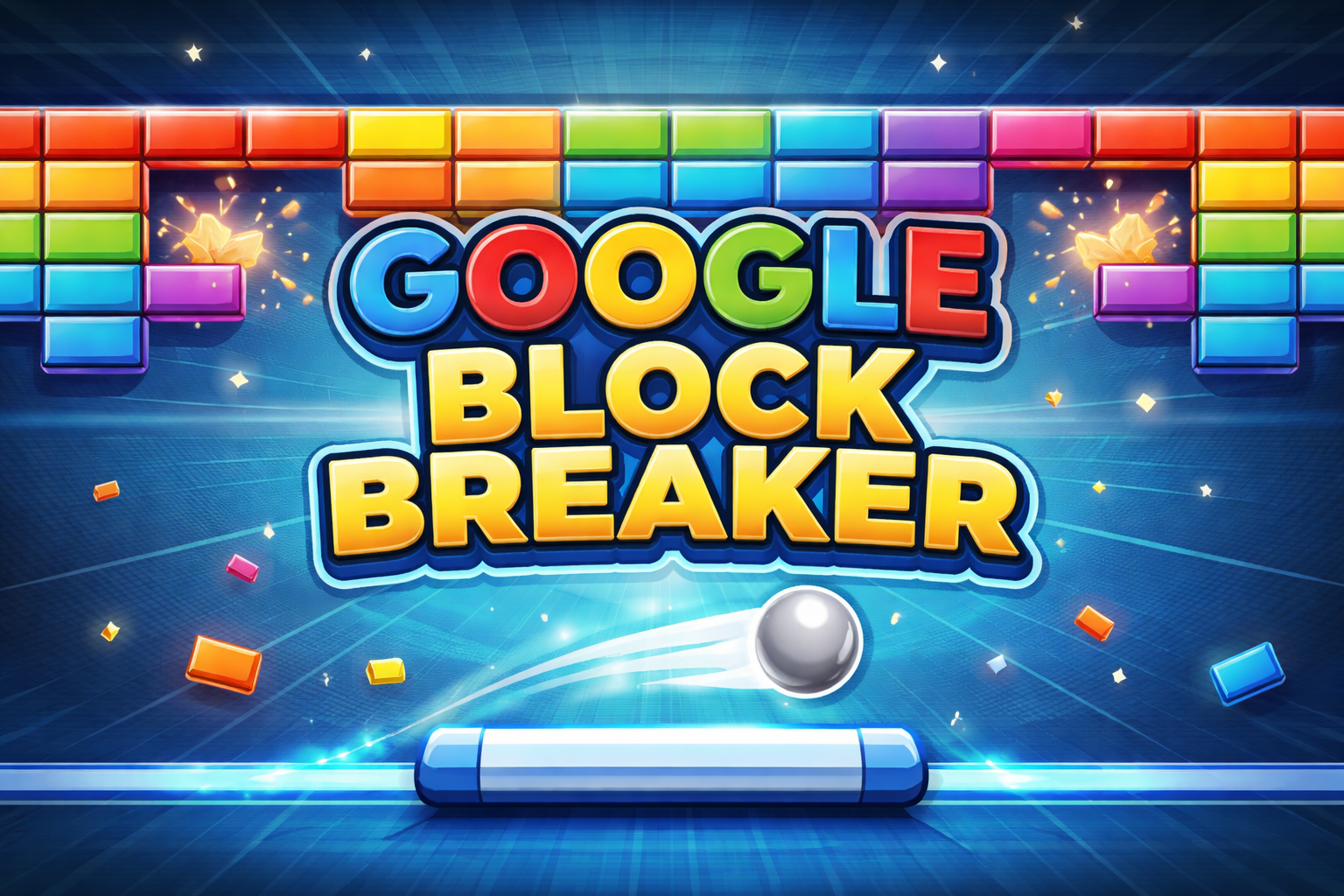
There’s something oddly satisfying about breaking blocks on a screen. No storyline, no complex controls… just you, a bouncing ball, and a row of bricks waiting to be smashed. That’s the charm behind Google Block Breaker — a lightweight, almost nostalgic game that feels like a quiet throwback to simpler times.
And honestly? It works.
What is Google Block Breaker?
At its core, Google Block Breaker is inspired by classic arcade games like Breakout. You control a paddle at the bottom of the screen, bouncing a ball upward to destroy blocks arranged above. Sounds basic. It is basic. But that’s exactly the point.
It’s the kind of game you open for “just a minute”… and then suddenly, 20 minutes are gone.
If you’ve never tried it, you can check it out here:
👉 <google block breaker>
Simple click. Instant play. No heavy loading screens or complicated setup.
Why People Keep Coming Back
There are tons of games out there—flashy, competitive, loud. But this one? It leans in the opposite direction.
Here’s why it sticks:
- Easy to understand – No tutorial needed. You just start playing.
- Quick sessions – Perfect for short breaks… or procrastination (let’s be honest).
- Low pressure – No rankings breathing down your neck.
- Nostalgia factor – Feels like old-school gaming, in a good way.
- Minimal distractions – No clutter, just gameplay.
And maybe that’s the real magic. It doesn’t try too hard.
How It Actually Works
The gameplay loop is straightforward, but there’s a bit more nuance than you’d expect.
| Element | Description |
|---|---|
| Paddle | You move it left and right to keep the ball in play |
| Ball | Bounces off surfaces, breaking blocks on contact |
| Blocks | The main targets—clear them to progress |
| Angles | Control how the ball bounces based on where it hits the paddle |
| Speed Increase | The game gradually gets faster… and trickier |
At first, it feels almost too easy. But then the ball speeds up. Angles get weird. And suddenly you’re leaning toward your screen like it actually helps (it doesn’t… but we all do it anyway).
A Little Strategy Goes a Long Way
You could just randomly bounce the ball and hope for the best. But if you want to last longer—maybe even clear all blocks—you’ll need a bit of control.
Try this:
- Hit the ball with the edges of the paddle to change direction sharply
- Aim for gaps between blocks to maximize hits
- Stay calm when the speed increases (easier said than done…)
- Don’t chase the ball too aggressively—let it come to you
And yeah, you’ll still mess up sometimes. That’s part of it.
Why It Feels So… Relaxing?
It’s not just about breaking blocks. There’s something rhythmic about it.
Bounce. Hit. Break. Repeat.
No loud music. No chaotic visuals. Just a steady pace that lets your brain breathe a little. And in a world where everything feels fast and noisy, that’s kind of refreshing.
But also—don’t be fooled. It can get intense. Especially when there’s just one block left and the ball keeps missing it. That tiny frustration? Weirdly addictive.
Who Is It For?
Pretty much anyone.
- Students killing time between classes
- Office workers sneaking in a quick break
- Casual gamers who don’t want anything too heavy
- Even older players who remember the original arcade versions
It’s not trying to be the next big competitive hit. And that’s okay.
A Few Downsides (Let’s Be Real)
Nothing’s perfect… not even this.
- It can feel repetitive after long sessions
- Limited features compared to modern games
- No major progression system
But honestly, those “downsides” are also part of its identity. It’s simple on purpose.
Final Thoughts — Simple, But It Stays With You
There’s a reason games like this never really disappear. They’re easy to pick up, hard to put down, and strangely comforting. No pressure to win big. No complicated mechanics to learn.
Just you and a bouncing ball.
And maybe that’s enough.
Or maybe… it’s exactly what we need sometimes.